Affordable Tree Removal Metairie Options for Local Homeowners
@landenolrg964
October 27, 2026 · 14 min read

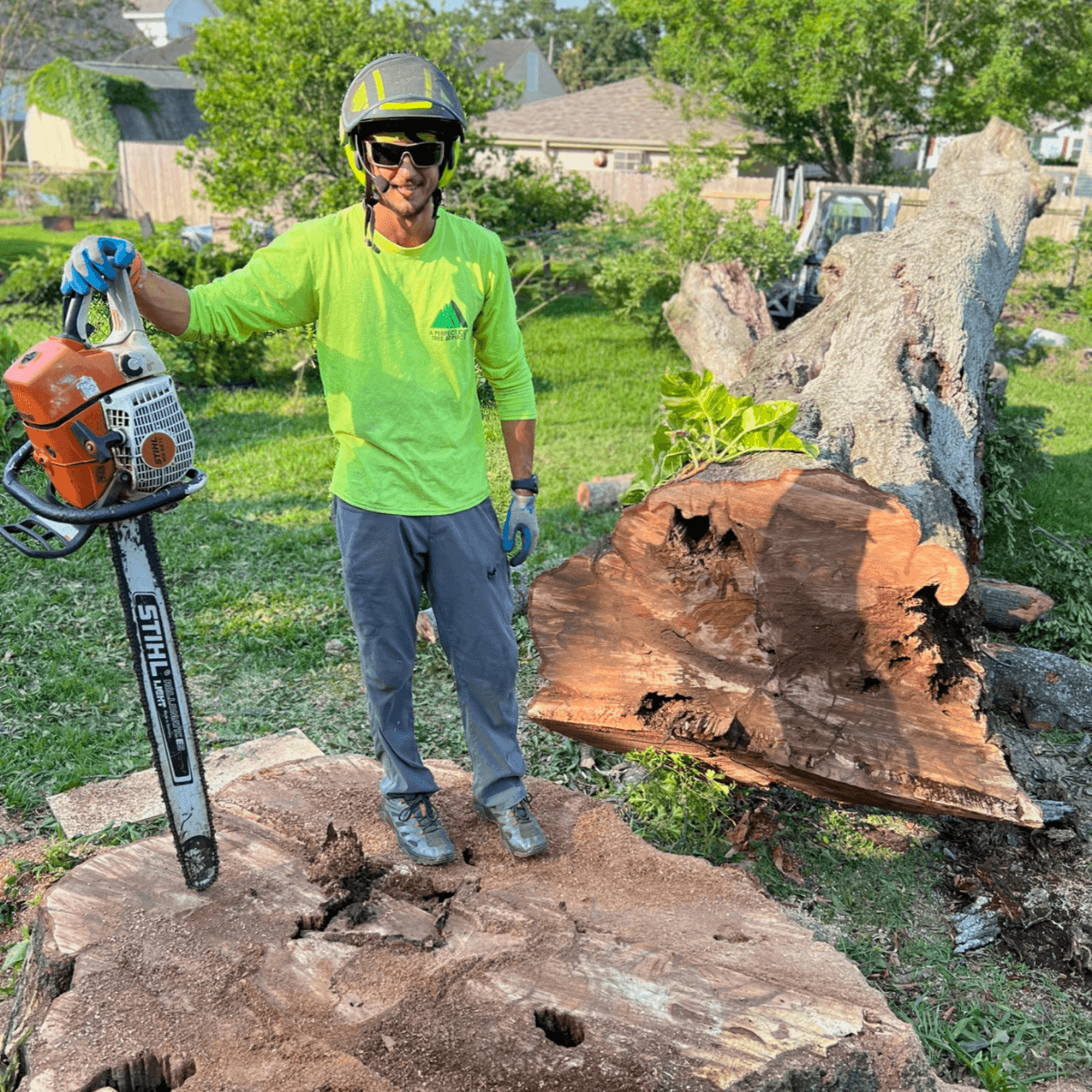
For many Metairie homeowners, tree removal is not a cosmetic decision. It usually starts with a practical problem that keeps getting harder to ignore. A live oak leans a little farther after every storm. A water oak drops large limbs over the driveway. A root flare begins lifting a walk or pressing against an older slab. Sometimes the issue is simpler and more urgent, a dead tree in a side yard with no safe place to fall.
The challenge is rarely whether the tree needs attention. It is whether the work can be done safely, legally, and at a price that makes sense for the property. That is where affordable tree removal Metairie services become important. Affordable does not mean bargain-basement labor with a chainsaw and a pickup. It means finding a qualified crew that prices the job according to real conditions, explains the scope clearly, and helps you avoid paying for work you do not need.
Metairie presents a particular set of circumstances for tree work. Lots are often compact. Fences, sheds, overhead service lines, and neighboring structures leave little room for error. Many older neighborhoods also have mature trees that are beautiful when healthy but expensive to manage when they decline. A homeowner trying to compare quotes quickly learns that no two removals are priced the same, and for good reason.
Why tree removal costs vary so much in Metairie
A tree company is not just charging for time with a saw. The quote reflects risk, labor, equipment, disposal, access, and liability. A small ornamental tree in an open front yard may be removed in under two hours. A large tree overhanging a house, boxed in by power lines and fencing, can take a full crew most of the day, sometimes longer if crane work is involved.
Height matters, but structure matters just as much. A 35-foot tree with multiple codominant trunks over a roof can be trickier than a taller straight pine in an open space. Condition also changes the job. A dead, brittle tree may look easier because it has no foliage, but dead wood can fail unpredictably. That often forces the crew to climb more cautiously or use specialized equipment.
Disposal is another piece homeowners sometimes overlook. Hauling brush, trunk sections, and wood chips off-site costs money in labor, truck time, and dump fees. If a quote looks unusually low, it is worth asking exactly what happens to the debris. Some crews leave logs cut into rounds at the curb. That may be acceptable if you have a plan for them. It is not a full-service removal if you expected a clean site.
Metairie’s post-storm environment can also push prices up temporarily. After a tropical system or a severe wind event, demand spikes. Reputable companies get booked out, and less qualified operators appear just as quickly. That is when homeowners are most vulnerable to overpaying for rushed work or, worse, hiring uninsured labor that creates another expensive problem.
What “affordable” should actually mean
In tree work, the cheapest bid is often the most expensive choice in hindsight. Affordable should mean fair pricing for the level of skill and protection involved. If a crew damages a roof, drops a limb through a fence, tears up a driveway with heavy equipment, or leaves a half-ground stump where you expected a level lawn, any savings disappear fast.
A fair quote typically reflects a few things. First, the company has enough insurance to operate responsibly. Second, the estimator has looked at the tree itself rather than pricing from a blurry photo. Third, the scope is specific. It should state whether the price includes removal only, debris hauling, stump grinding, surface root cleanup, and site raking.
I have seen homeowners save a few hundred dollars up front only to pay twice that later for fence repair or extra hauling. I have also seen the opposite. A slightly higher quote from an organized crew ended up being the better deal because the job was completed in one day, the yard was protected with mats, and the cleanup was thorough enough that the homeowner was not still dragging branches to the curb all week.
The most common low-cost removal scenarios
Not every tree removal has to be a major project. Some situations naturally fall on the lower end of the price range, especially when access is easy and the tree can be dropped in one piece or in large sections without rigging. Smaller crepe myrtles, aging citrus trees, and storm-damaged ornamentals often fit this category. If the tree is in the front yard with no obstacles and the crew can park close, labor drops substantially.
Another affordable scenario is when a homeowner is flexible about timing. Tree companies often group jobs by neighborhood to cut down on travel and mobilization. If your work is not urgent and can be scheduled when the crew is already nearby, that can shave some cost. It is not guaranteed, but it is worth asking.
You may also lower the total by adjusting the scope. If a tree must come down but the stump can wait, removal and stump grinding can be separated into phases. That said, if access equipment tree removal metairie is already on site, combining the services sometimes costs less overall. This is where a good estimator earns their keep. They should be able to tell you when splitting the job saves money and when it creates duplicate charges.
When a quote is low for the wrong reasons
There is a difference between efficient pricing and unrealistic pricing. In my experience, homeowners should be cautious when a quote comes in dramatically below the others without a clear explanation. Sometimes the company is simply hungry for work or has lower overhead. More often, something is missing.
Here are a few warning signs worth taking seriously:
- The estimator cannot explain whether cleanup, hauling, or stump grinding is included.
- The company avoids discussing insurance or says, “We’ve never had a problem.”
- The crew plans to top or hack the tree down without a clear rigging plan near structures.
- The quote is verbal only, with no written scope or payment terms.
- The contractor pressures for immediate cash before work begins.
That last point comes up often after storms. A legitimate tree company may request a deposit for large jobs, but high-pressure cash demands are a red flag, especially when paired with vague promises and no paperwork.
Trees that frequently become removal candidates in Metairie
Metairie’s landscape includes a mix of native species, long-planted shade trees, and ornamental choices that looked good decades ago but now outsize the lot. Water oaks are a familiar example. They grow fast, provide shade, and eventually become a maintenance burden. As they age, limb drop becomes more common, especially after extended wet periods or wind exposure.
Chinese tallow trees are another frequent issue. They spread aggressively, crowd fences and foundations, and often pop up in awkward corners of the yard. Their removal is usually straightforward when caught early, but larger neglected specimens can create surprisingly stubborn stump and root problems.
Large live oaks are in a category of their own. Not every troubled live oak needs removal, and many should be preserved when structurally sound. But when one is severely compromised by decay, storm damage, or root failure, removal becomes highly technical and usually expensive. Homeowners who assume all shade trees price the same are often surprised by the difference between taking out a medium ornamental and dismantling a mature oak over a house.
Palm removal comes with its own quirks. A palm may seem simple because there are no wide limbs to manage, yet tall palms often require climbing or a lift, and the dense trunk sections are heavier than they look. Cleanup also matters. Those fibrous bases and fronds can be messy and time-consuming to haul.
How to lower your cost without creating more risk
There are smart ways to control cost, and there are false economies. The smart ways usually involve flexibility, preparation, and scope clarity.
If you are gathering estimates for tree removal Metairie contractors, try to have the site accessible before the estimator arrives. Unlock side gates if possible. Move vehicles. Mention septic systems, old irrigation lines, or anything buried that might affect equipment placement. Time spent discovering obstacles mid-job becomes part of your bill.
It can also help to bundle related work. If two small trees and one stump all need attention, pricing them together often makes more sense than scheduling separate visits. The crew is already mobilized, and disposal can be combined. I have seen homeowners get better value by planning one well-scoped day of work rather than calling three times over six months.
One cost-saving strategy that sometimes works is keeping the wood. If you have space and actually want firewood rounds, mulch, or habitat logs for the back of the property, tell the estimator. Not every company will discount for that, but some will, especially on medium-size removals where haul-off is a meaningful part of the labor.
Stump grinding, root issues, and the hidden half of the job
Homeowners often focus on the tree above ground because that is what they see. The stump is where expectations can get muddy. A standard tree removal does not always include stump grinding. Even when it does, the result is rarely “gone without a trace.” Grinding usually removes the stump to a practical depth below grade, but surface roots may remain, and the area often settles after the grindings decompose.
This matters if you plan to replant, pour a slab extension, or install new turf immediately. A small decorative planting can usually go back into a ground stump area with some soil amendment and patience. A larger replacement tree in the exact same spot is another story. Old root mass competes for space, drainage can be uneven, and settlement is common.
If the tree was close to a foundation or walkway, root removal may be discussed separately. Full root excavation is rarely cheap and often unnecessary. In many cases, once the stump is ground and the tree is no longer growing, problem roots stop expanding and slowly break down over time. That is a very different scope from aggressive trenching or extraction.
Permits, utilities, and neighbor concerns
Before any major tree comes down, it is wise to ask a few questions that save trouble later. Trees near utility lines are not standard removals. If service drops or lines are in play, the job may require coordination with the utility provider or a line-clearance qualified crew. That is not a corner to cut.
Property line trees can be equally tricky. If a trunk straddles a boundary or major limbs overhang a neighbor’s roof, communication matters. The law can get complicated, but the practical issue is simpler. Surprising your neighbor with a crane over their yard is a bad start to any project. Clear communication prevents disputes over access, debris, and incidental damage.
Metairie homeowners’ associations, where applicable, may also have rules about visible tree work or replacement requirements. Those are not universal, but they are worth checking before the truck shows up.
Emergency removals versus planned removals
Emergency tree work costs more, and that is usually justified. Crews respond in unstable conditions, often after hours, and have to secure hazards quickly. A tree resting on a roof after a storm is not the time to shop for the lowest bidder. The priority is making the site safe, preventing further damage, and documenting the condition for insurance if needed.
Planned removals are where homeowners have the most room to save money. If a tree is clearly declining but not yet failing, do not wait for the first major storm to make the decision for you. Once the trunk splits or the root plate lifts, the same job becomes more dangerous and more expensive. Preventive removal is rarely exciting, but it is often cheaper than emergency response plus property repair.
I have seen this play out many times with aging water oaks. A homeowner notices deadwood for a year or two, puts off the work, then calls after a limb crashes through a carport. The removal price climbs because the setup is harder and the stakes are higher. Add roof repair and insurance deductibles, and the budget story changes fast.
What to ask when comparing estimates
Many homeowners compare only the bottom line. That is understandable, but it is not enough. Two quotes can differ by hundreds or even thousands of dollars because they are describing different jobs.
A useful conversation with any estimator should cover these points:
- Will the tree be climbed, lifted, or removed with a crane?
- Does the price include hauling all debris and raking the site?
- Is stump grinding included, and if so, to what depth?
- How will the crew protect fences, lawns, and driveways?
- Are they insured for both property damage and worker injury?
The answers tell you a lot about the company’s habits. A clear, patient estimator usually reflects an organized operation. Vague answers often signal confusion on the job site later.
Signs a tree may need removal sooner rather than later
Not every damaged tree needs to be removed, but some symptoms deserve prompt evaluation. Deep cracks at major unions, fungal growth around the base, hollow sections in the trunk, and visible root plate movement after heavy rain are serious concerns. Sudden canopy thinning in one part of the crown can also indicate structural or vascular decline, especially in mature trees.
Leaning alone is not always a problem. Some trees have leaned for decades. A new lean, especially with fresh soil heaving near the roots, is different. So is repeated limb drop from the same side of the canopy. Patterns matter. A seasoned arborist or qualified tree professional is not just looking at whether the tree is alive. They are reading load, defects, decay pathways, and targets beneath the canopy.
That distinction can save money. Sometimes a homeowner calls for removal, expecting the worst, and learns the tree can be pruned and monitored instead. Other times a tree that “still has green leaves” turns out to be far more compromised than it appears. Affordable care includes knowing which is which.
Choosing value over sticker price
A good tree removal experience is usually quiet, organized, and almost boring, which is exactly tree removal metairie what you want from hazardous work. The crew arrives with a plan. They set ropes carefully, communicate clearly, manage traffic around the property, and clean up thoroughly. The homeowner is not left guessing what happens next.
For anyone searching for affordable tree removal Metairie options, value should come first. Value means the tree is removed safely, the property is protected, the price matches the actual complexity, and the result does not create another expense next month. Sometimes that comes from a lower quote on a simple job. Sometimes it comes from paying a bit more for a difficult removal done right the first time.
Metairie homeowners have enough to think about between storms, aging landscapes, and the realities of maintaining older properties. Tree work should solve a problem, not create a new one. When you approach the process with a clear scope, realistic expectations, and a careful eye on who is doing the work, affordable and professional can absolutely go together.
A Perfect Cut Tree Service
4725 Shores Dr, Metairie, LA 70006
+1 504-732-0779
FAQ About tree removal metairie
What is the average cost of tree removal in my area?
There is no single price that fits every tree. Size, condition, access, nearby structures, equipment, debris hauling and stump work affect the estimate. Request a written, site-specific quote that identifies what is included.
Who will remove trees for free?
Free removal is not generally available for ordinary private-property tree work. Utilities or public agencies may handle trees within their responsibilities. Confirm eligibility directly and do not assume that an offer or assistance program covers your tree.
Can I just cut down a tree in my yard?
Check ownership, location and local requirements first. Jefferson Parish requires a permit for removal of qualifying vegetation in the public right-of-way, and additional protections may apply in designated areas. Ask the parish about your property and have a qualified tree professional assess the work.